Upgrade Your Outdoor Area: Expert Garden Design Tips for a Gorgeous Home Landscape
Transforming an outdoor space into a beautiful residential landscape involves thoughtful design and thoughtful execution. By assessing the distinct features of a yard, individuals can establish definitive garden objectives. Selecting plants suited to the local climate is essential. Additionally, adding functional hardscaping elements enhances both beauty and functionality. However, the process doesn't stop there. Learning how to preserve vibrancy and sustainability can elevate any garden to the greater heights. Which approaches will result in enduring achievement?
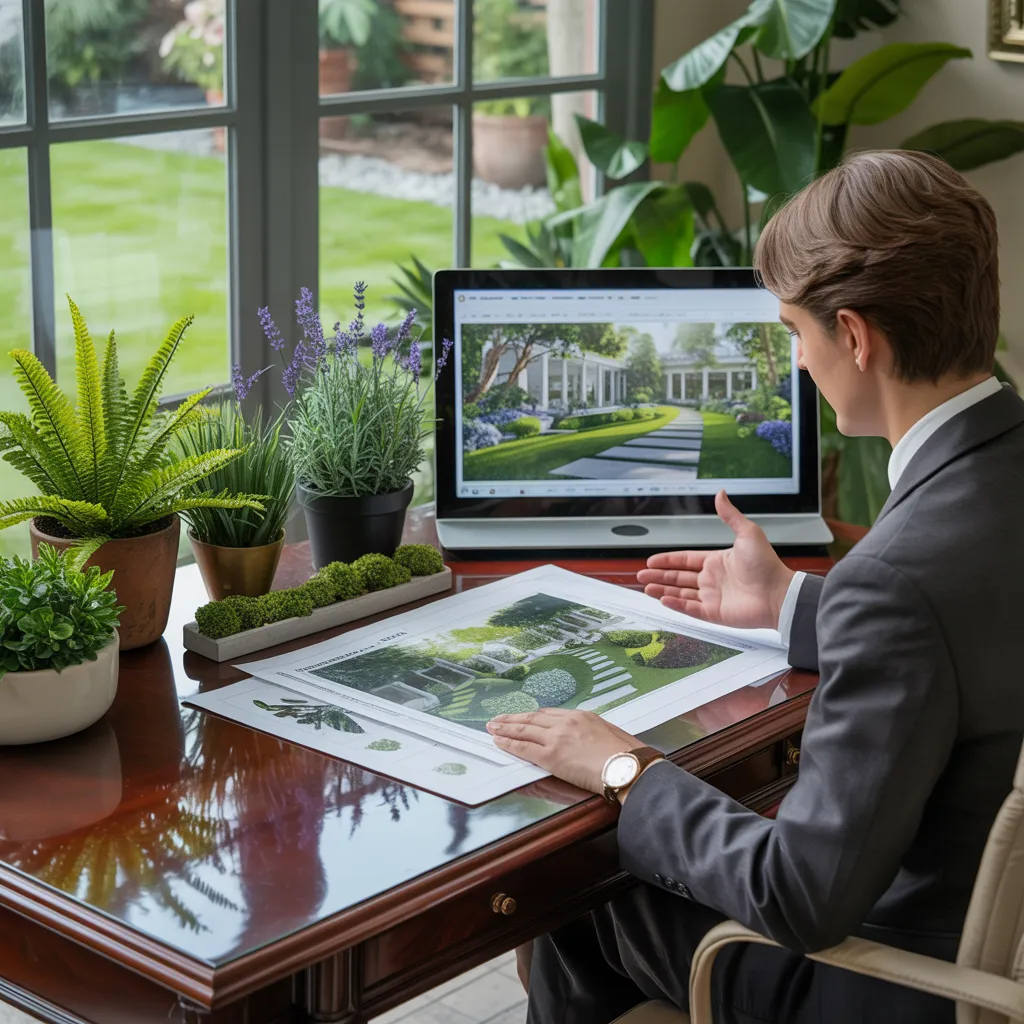
Analyze Your Yard to Set Your Landscape Design Goals
Before beginning any garden project, it is critical for residents to completely evaluate their exterior area. This preliminary assessment facilitates them to grasp the unique features of their yard, including sun conditions, soil composition, and current vegetation. Identifying these elements supports in determining which types of landscape elements can be successfully integrated into the area.
Homeowners should record measurements and document any barriers including trees, barriers, or walkways that may affect the design. Furthermore, understanding individual tastes and lifestyle needs—such as areas for entertainment, plant cultivation, or relaxation—can direct the landscaping goals. By clearly defining these objectives, property owners create a strong foundation for a cohesive and functional outdoor environment. This careful evaluation ultimately leads to a greater and satisfying garden renovation, guaranteeing the outdoor space enhances not just the home's aesthetic but also meets the practical needs of its inhabitants.
Determine the Perfect Plant Selection for Your Local Environment
Determining the right plants for a specific climate is critical for creating a flourishing exterior environment. Understanding local weather patterns, such as temperature ranges, precipitation, and moisture levels, helps homeowners select plants that will flourish. Native plants typically adjust most effectively, requiring minimal maintenance and water. For instance, drought-resistant varieties are ideal for dry climates, whereas moisture-loving species thrive in humid climates.
Gardeners should further consider seasonal changes; selecting vegetation that offers continuous visual appeal improves the garden. Spring-flowering plants, warm-season vegetation, and colorful autumn leaves can create a dynamic visual experience. Furthermore, consulting local gardening centers or agricultural resources can provide helpful information into durable vegetation adapted for specific conditions.
Finally, a well-planned plant selection improves not only beauty but also promotes native fauna and advances ecological health, which makes it a smart decision for every exterior area renovation.
Enhance Your Garden With Functional Hardscaping Elements
Functional hardscaping elements play an essential role in defining outdoor spaces and improving their functionality. By incorporating seating areas and carefully planned walkways, homeowners can create welcoming spaces that encourage relaxation and movement. Additionally, borders can help delineate different zones within the garden, creating organization and visual interest. components in structuring exterior environments and boosting their practical value. By integrating sitting zones and well-designed pathways, homeowners can create appealing outdoor areas that encourage relaxation and movement. Additionally, edging can define different zones within the garden, establishing layout and visual interest.
Create Your Landscape Space
Creating a strategically designed outdoor space can reimagine a yard into a peaceful sanctuary. One effective technique to achieve this is through functional hardscaping elements, which establish structure and visual order. Walkways made from stone or masonry guide guests while creating visual appeal. Retaining structures can establish tiered levels, enhancing the garden's overall design and preventing soil loss. Fencing or trellises can delineate borders, ensuring seclusion and a feeling of containment. Incorporating raised garden beds not only establishes growing zones but also makes them more accessible. These elements work together to establish separate areas that enhance both aesthetics and functionality. Ultimately, a clearly structured outdoor space fosters a serene environment where homeowners can unwind and appreciate the outdoors.
Integrate Seating Areas
Incorporating seating areas into an exterior environment greatly improves its functionality and appeal. By adding practical hardscape features, homeowners can establish welcoming areas for rest, gathering, or appreciating the outdoors. Choices range from benches, outdoor furniture, or hanging seats, each adding to the landscape's visual appeal and comfort. Strategically placing seating near focal points, such as flower beds or water features, encourages users to engage with their environment. Additionally, using materials like stone or wood can match the landscape's style, maintaining visual unity. Shade structures, such as arbors or parasols, offer relief during hot seasons, ensuring these spaces are functional year-round. Ultimately, well-designed seating areas convert a standard yard into a pleasant sanctuary for family and friends.
Establish Pathways And Edges
Pathways and borders are key components in landscape development, guiding explorers within your garden while improving its compositional strength. These establish order and movement, supporting the recognition of separate zones and vegetation types. Stone, gravel, or brick materials can build durable pathways, whereas natural borders from plants or decorative dividers boost visual appeal. Pathways can promote wandering, showcasing key areas like flower displays or fountain features. Well-designed borders minimize invasive plants and ground erosion, supporting garden well-being. In summary, adding pathways and borders improves functionality and adds visual sophistication to your landscape, rendering areas more appealing and delightful.
Design Movement Through Pathways and Seating Zones
A well-planned garden setting typically includes a balanced circulation established through deliberately situated walkways and rest zones. Walkways direct guests across the garden, providing a definite sense of orientation while enriching the general visual quality. Selecting options such as wood, stone, or gravel can add to the walkway's aesthetic value and ensure longevity.
Seating areas provide rest points, inviting guests to pause and appreciate the surroundings. Strategically positioning seating near focal points, such as a fountain or a flower bed, encourages interaction with the landscape. The choice of seating—benches, chairs, or even hammocks—can influence the atmosphere, whether it be casual or formal.
Combining walkways and sitting spaces generates a warm environment, upgrading utility and contentment. In tandem, they construct a smooth flow between distinct areas of the garden, stimulating exploration and rest, ultimately reshaping any exterior setting into a calm escape.
Transform Your Garden With Seasonal Tones and Depth
To improve the aesthetic quality of a landscape, thoughtful choosing of seasonal varieties is critical. Combining various textural qualities can bring dimension and engagement, as well as carefully positioned highlights can capture attention and develop a unified composition. All these aspects combined assure a lively and engaging exterior environment all year long.
Decide on Seasonal Plants Wisely
Selecting season-appropriate plants wisely can transform any garden into a vibrant tapestry of color and texture. By selecting plants with staggered bloom cycles, gardeners can guarantee a continuous display of beauty. Spring bulbs, summer color providers, autumn perennials, and winter evergreens each contribute unique hues and forms to the landscape. It is vital to remember local climate conditions and soil types, as well as the plants' growth patterns. Native plant varieties often thrive better and require less maintenance, increasing biological diversity. Additionally, pairing plants with different heights and seasonal blooms can establish an eye-catching visual effect. Ultimately, thoughtful selection fosters a garden that evolves with the seasons, offering a delightful experience year-round.
Build Textural Interest For Dimensional Depth
Generating garden depth calls for blending textures that harmonize with and boost seasonal colors. By combining various plants with diverse leaf configurations, scales, and palettes, one can establish a dynamic garden composition. For instance, the use of broad-leaved plants alongside fine-textured grasses can produce visual contrast and allure. Additionally, weaving in bark, gravel, and ecological materials presents tactile elements that strengthen the garden experience. Seasonal flowers must be strategically situated to deliver color highlights across all seasons, ensuring that each layer remains visually interesting. This strategic plan not only captures attention across the landscape but also builds an engaging setting where all components add to the aesthetic beauty and order.
Place Focal Points Carefully
Intentionally placing focal points can remarkably boost a garden's aesthetic quality and seasonal richness. These focal center elements provide anchors that attract the gaze and foster landscape unity. Gardeners can apply additions like sculptures, ornamental specimens, or radiant planting beds to establish supporting information visual engagement. Seasonal color can be infused through the selective planting of plants with alternating bloom cycles, ensuring that the garden remains dynamic throughout the year. Textures also play a significant role; blending flat stone surfaces with uneven bark or thick plant life establishes depth. By deliberately arranging these pieces, a gardener can build a friendly environment that sparks discovery and gratification, transforming an outdoor space into an engaging retreat.
Embrace Green Strategies to Build a Flourishing Garden
Embracing environmentally-conscious practices is essential for growing a flourishing garden that prospers in sync with the surroundings. Gardeners are encouraged to use native plants, which necessitate less liquid and maintenance while supporting regional animals. Introducing chemical-free approaches, such as composting and biological pest control, can substantially minimize synthetic chemicals, promoting a improved ecosystem.
Water-saving approaches, such as drip irrigation and water collection systems, strengthen eco-friendliness by enhancing resource use. Using mulch layers maintains hydration and also controls weeds, minimizing the necessity for weed killers. Furthermore, promoting ecological diversity by incorporating a variety of plants fosters durability against insects and pathogens.
Soil health is critical; techniques such as crop rotation and cover crops maintain nutrient balance excluding synthetic fertilizers. By adopting such eco-friendly methods, plant growers can develop a thriving environment that fosters plant life and the environment, resulting in a greater growing experience.
Troubleshoot Frequent Problems for Continuous Garden Appeal
A properly-cared-for landscaped area can encounter various challenges across seasons, influencing its general aesthetics as well as health. Frequent challenges encompass pest issues, nutrient deficiencies, plus inadequate water supply. Spotting pests in advance is essential; growing enthusiasts should regularly check leaves for injury marks plus address pest outbreaks applying organic solutions or bringing in helpful insects.
Insufficient nutrients often display as yellow foliage or limited growth. Doing soil examinations can help identify distinct requirements, permitting to enable precise fertilization Nutrient deficiencies typically display as discolored leaves as well as limited growth. Performing soil tests can allow determine specific necessities, allowing focused nutrient supply bringing back balance. Furthermore, guaranteeing proper irrigation is essential; over-irrigation can result in root decay, on the other hand insufficient watering strains plants.
Changes in seasons additionally demand changes to plant care. Throughout winter, using mulch safeguards plant roots from ice, while summer months can necessitate increased watering plus shade for tender plants. By handling these frequent challenges promptly
Should I Do Outdoor Work Independently or Employ a Expert?
It is possible to undertake landscaping projects on your own, utilizing digital tools and creativity. However, engaging an expert guarantees proficiency, efficiency, and better outcomes, especially for intricate layouts or substantial jobs that demand expert knowledge.
What Equipment Are Necessary for Home Garden Work?
Necessary implements for residential landscaping include a rake, digging tool, shovel, pruning scissors, cultivator, and a irrigation hose or water can. These equipment help productively manage dirt, greenery, and comprehensive garden care, ensuring quality landscaping.
What's the Optimal Way to Preserve My Garden During the Calendar Year?
To preserve a garden all year long, one should consistently cut back vegetation, use mulch for protection, check moisture levels, and establish seasonal planting methods. Moreover, pest management and nutrient application are necessary for flourishing, vibrant plants.